The front walk is the first thing guests touch when they visit, and it is the path you use every day carrying groceries, rolling trash cans and shoveling snow. Many homes in Chesterfield Township and New Baltimore still have the narrow poured concrete walk that came with the house, often cracked, tilted or sunk near the steps. Replacing it with pavers is one of the most noticeable upgrades you can make to curb appeal, and it is a manageable project size for most budgets.
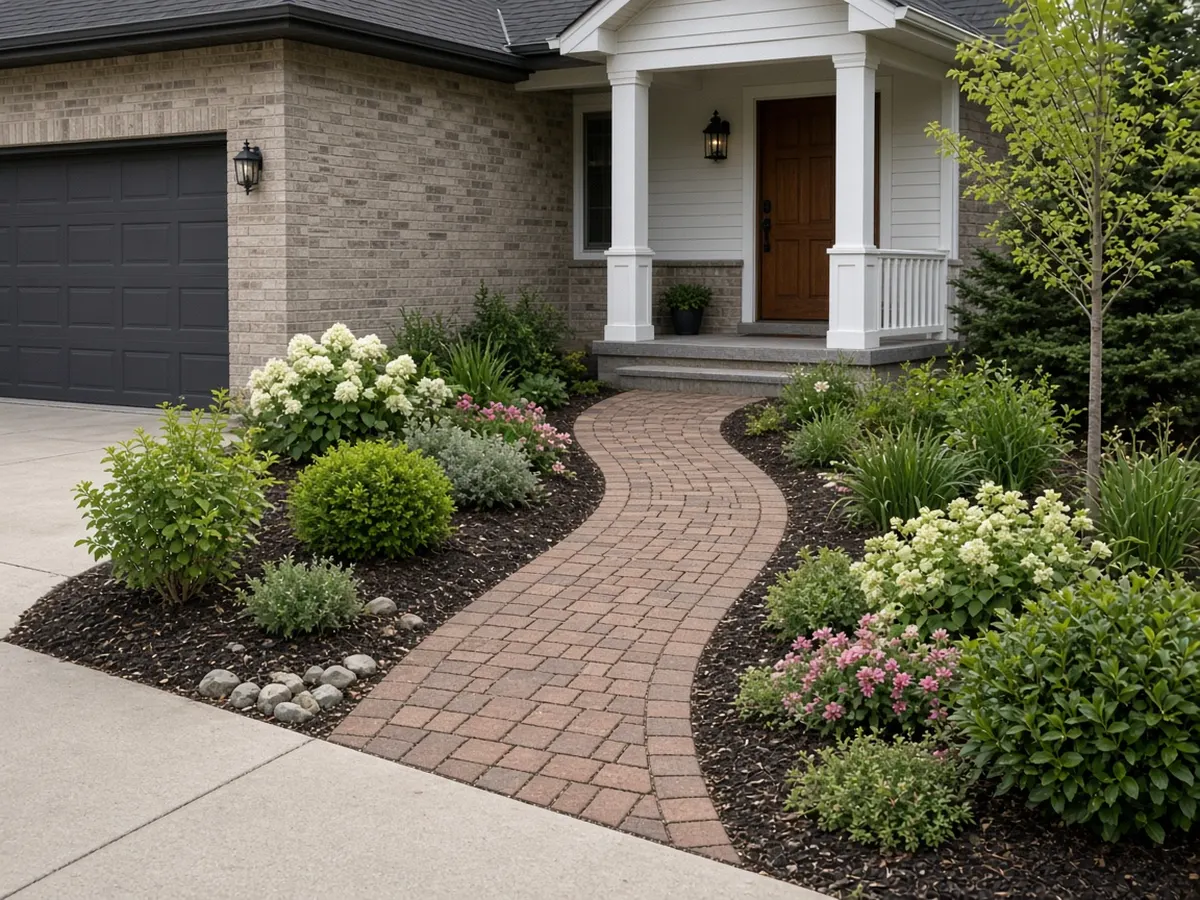
This page covers walkway design, base and drainage, winter considerations, published cost ranges and questions to ask. When you are ready, call or use the form and we will connect you with an independent local paving contractor.
Types of Walkways
- Front entry walks from the driveway or public sidewalk to the front door. These get the most use and the most winter maintenance.
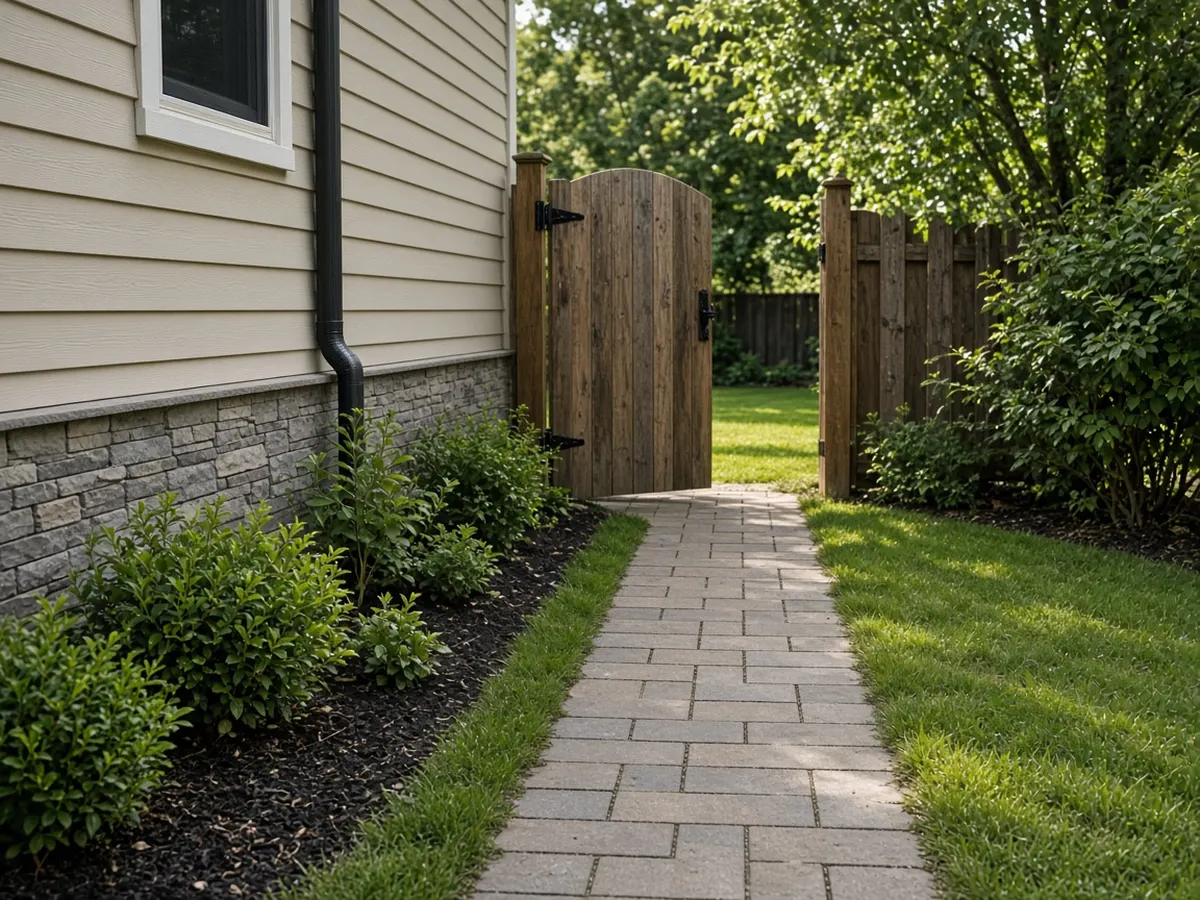
- Side-yard walks from the driveway to a gate or backyard. Often narrower and more utilitarian.
- Garden paths through landscaping. Can be curved and more casual.
- Backyard connectors linking a patio, shed, pool or deck.
How Wide Should a Walk Be?
Builder walks are often only 3 feet wide, which feels cramped. Many designers suggest about 4 feet for a main entry walk so two people can walk side by side, and about 3 feet for secondary paths. A wider walk near the front steps, or a small landing, makes the entry feel more generous. If you use a snow blower, consider its width when choosing the walk width.
Straight or Curved?
A gentle curve can make a front yard feel more relaxed and lead the eye to the entry. But people take the shortest path, so a walk that curves too much will end up with a worn shortcut through the lawn. A good rule is to curve around something real, such as a planting bed or tree. Curves mean more cuts, so they usually cost a bit more than a straight walk.
Base, Drainage and Clay Soil
A walkway carries foot traffic, not cars, but it still sits on the same clay soil and goes through the same freeze-thaw cycles as a driveway. Sinking and heaving walks usually trace back to the base.
- Excavate sod and topsoil to firm subgrade.
- Geotextile fabric over clay keeps base stone from sinking into the mud.
- Compacted crushed stone base, commonly about 4 to 6 inches for walkways, more on wet or soft ground.
- Bedding sand about 1 inch thick.
- Edge restraint on both sides. Walks are narrow, so edges matter a lot. Without restraint, pavers can creep outward and joints open up.
Slope matters too. A walk should shed water to one or both sides, not hold it in the middle, and it should not direct water toward the house. Near the front steps, check that the walk does not create a low spot where water pools and freezes.
Winter Safety
Michigan walks spend months wet, icy or snow-covered.
- Texture. Tumbled or textured pavers offer more grip than smooth slabs. Ask about slip resistance.
- Chamfered edges make shoveling smoother and reduce trip edges.
- Avoid ponding. Low spots turn into ice patches.
- Salt. Use deicer sparingly and choose products the paver manufacturer approves. Sweep up residue in spring.
- Snow storage. Think about where shoveled snow will go so it does not melt back across the walk.
Some homeowners consider snow-melt systems under walks. These are specialized and add substantial cost; ask a contractor who installs them if you are interested.
Connecting to Steps and Driveways
The joints between a new walk and existing concrete steps or a driveway are where trouble often starts. The heights need to match, and water must not pond at the transition. If your front steps are crumbling, it may make sense to rebuild them at the same time; see paver steps and porches. If your driveway is also on the list, doing both together can reduce cost and give a matched look; see paver driveways.
Public Sidewalks
The public sidewalk along the street is usually in the road right-of-way and may be governed by your township, city or county. There may be rules about material and who maintains it. Ask your local building or engineering department before replacing a public sidewalk with pavers. This page is mostly about private walks on your property.
Design Ideas
- A soldier course border in a contrasting color frames the walk.
- Matching the house: red clay brick for a traditional brick home; gray or charcoal for modern exteriors.
- Landing at the door sized for a doormat and a person holding the door.
- Lighting: low-voltage path lights along the edges. Plan wire runs before installation.
- Planting beds on both sides soften the edges.
What a Paver Walkway Costs
These are general national estimates, not quotes. HomeGuide's paver walkway guide lists roughly $15 to $40 per square foot installed, and around $3,000 to $8,000 for a typical 40 foot long walkway. Walkways can cost more per square foot than large patios because they are small jobs with a lot of edge, cutting and setup relative to their area.
What moves the price:
- Removing the old concrete walk and hauling it away.
- Length, width and curves.
- Tying into steps, a porch or the driveway.
- Paver choice and any border.
- Lighting or drainage additions.
Questions to Ask a Walkway Contractor
- How deep will you excavate, and how much base will you install?
- What edge restraint will you use on both sides?
- How will water drain off the walk?
- How will the walk meet the steps and driveway?
- Is removal of the old walk included?
- What warranty do you give on settling?
Maintaining a Paver Walk
Sweep, refill joints when sand washes out, and pull weeds early. If a section sinks or a tree root lifts a few pavers, a contractor can lift them, fix the base and reset them; see paver repair and releveling. Cleaning and sealing every few years can keep color fresh; see paver sealing and cleaning.
Get a Free Walkway Quote
Tell us roughly how long your walk is, whether there is an old walk to remove, and your city or zip code. A local paving contractor will follow up with a visit and a written quote. Call the number at the top of the page or use the quote form.