A fire pit is often what turns a patio into the place everyone actually wants to be. In Michigan, it stretches the outdoor season into cool spring nights and crisp fall evenings, which is when many people enjoy their yards most. Add a grill area, seat walls, lighting or a pergola and a plain patio becomes a true outdoor living space.
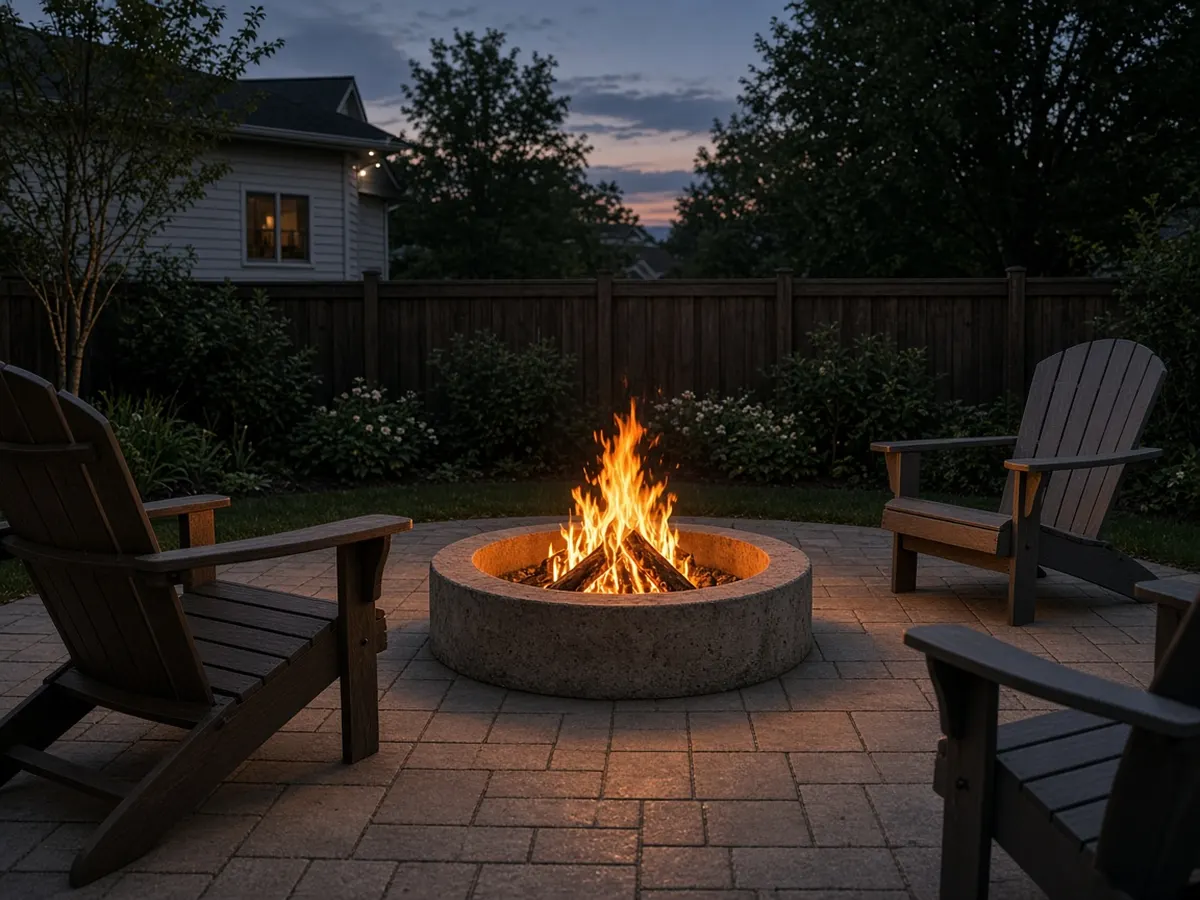
This page covers fire pit types, placement and safety, local rules, other outdoor living features, published costs and what to ask. When you are ready, call or use the form and we will connect you with an independent local contractor.
Types of Fire Pits
Wood-burning block fire pits. The classic. Built from segmental wall block, usually with a steel fire ring liner to protect the block from direct heat. Round or square, built on the patio or as part of it.
Gas fire pits and fire tables. Natural gas or propane with a burner, often with lava rock or fire glass. Clean, quick to light and off, less smoke, but no crackle and a gas line needs to be run by a qualified professional. Propane units can be self-contained.
Sunken fire pit areas. A lower circular area with built-in seating walls around the fire. Dramatic but more complex, especially for drainage on clay soil.
Portable fire pits set on a patio. The simplest option; make sure the patio surface can handle the heat and use a heat-resistant mat if the manufacturer recommends it.
Placement and Safety
- Distance. Keep fire pits well away from the house, garage, decks, fences, overhanging trees and anything combustible. Many local rules and manufacturer instructions specify minimum distances.
- Wind. Think about prevailing winds so smoke does not blow toward the house or neighbors.
- Seating space. Plan a ring roughly 12 to 16 feet across or more around the pit, with room to walk behind chairs.
- Footing. A fire pit set on a paver patio should sit on the same compacted base as the patio.
- Liner. Use a steel fire ring or firebrick inside block fire pits. Ordinary wall block is not made for direct flame and can crack or spall.
- Water or extinguisher nearby.
Local Rules
Open burning and recreational fires are regulated by local ordinances and fire departments. Rules may cover what can be burned, size, distance from structures and burn bans during dry periods. Check with Chesterfield Township or your own city or township fire department before building. Some subdivisions and HOAs have additional rules. Gas fire features may require a permit for the gas line.
Drainage for Fire Pits
Rain fills fire pits. A block fire pit on a patio should have a way for water to drain out, usually through gravel at the bottom and gaps in the base. On clay soil, a sunken fire pit area can turn into a pond unless drainage is planned carefully.
Other Outdoor Living Features
- Seat walls around the fire or patio edge. See retaining walls and seat walls.
- Grill stations and outdoor kitchens. A built-in grill island made from block with a countertop. Gas, electric and water lines add cost and need licensed trades.
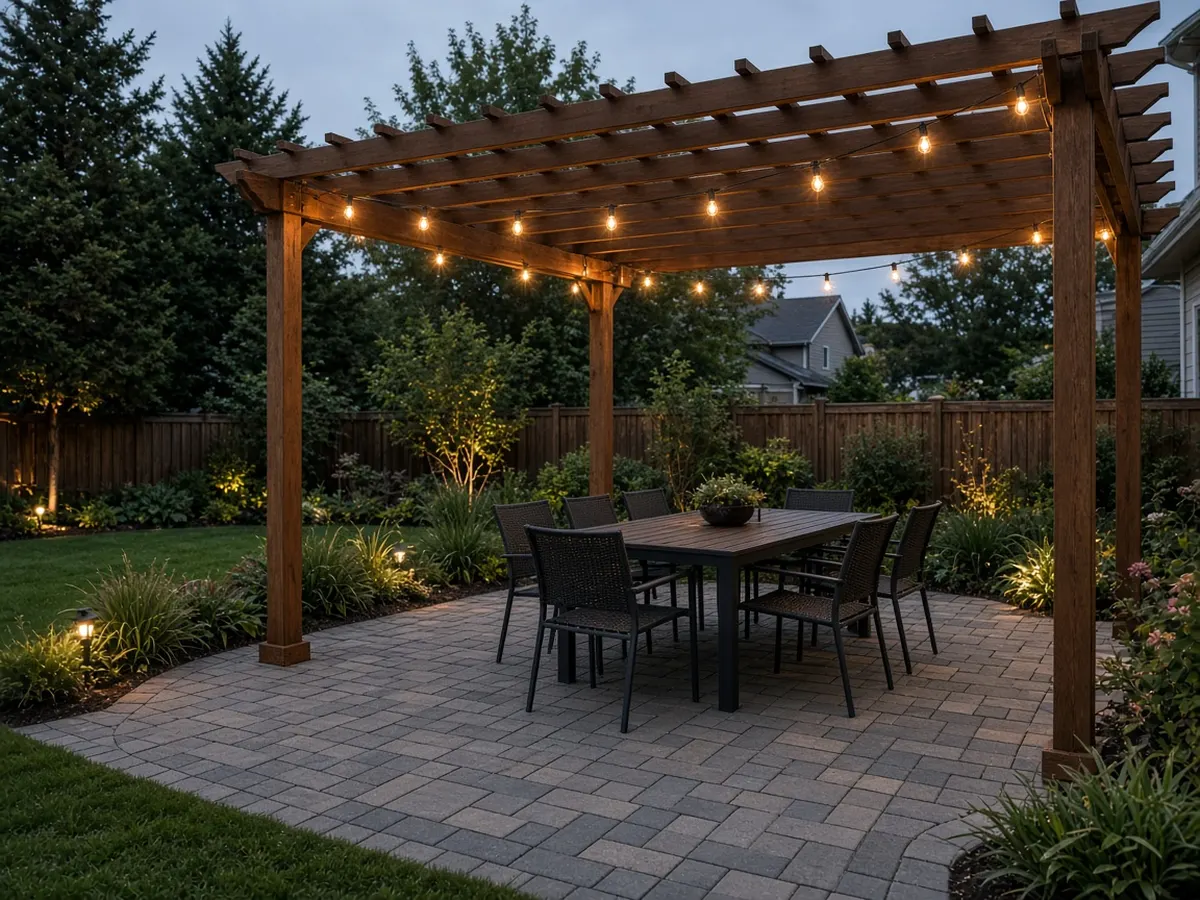
- Pergolas for partial shade. Posts need footings, typically below the frost line in Michigan (commonly about 42 inches).
- Low-voltage lighting in walls, steps and paths. Run wires or conduit before pavers go down.
- Pillars at entrances with lights or planters.
- Privacy screens and plantings.
- Water features such as small fountains.
Planning a Space That Works
Think of your patio as rooms. A dining area near the kitchen door, a lounge area with a fire pit farther out, and a grill zone between them is a common layout. Keep the grill close enough to the house to carry food easily but away from the fire pit seating. Think about how you will get from the house to each area with full hands, and where the sun and shade fall in the evening.
Building features in phases is fine if you plan for them. Running gas or electrical conduit under the patio during the first phase is much cheaper than cutting pavers later.
Using Your Outdoor Space Through the Seasons
In Southeast Michigan, the best fire pit weather is often spring and fall, when evenings are cool and bugs are fewer. A few choices help you use the space longer:
- Wind protection. A seat wall, plantings or a privacy screen on the windward side keeps heat and smoke where you want them.
- Lighting. Short fall evenings mean lighting matters more than people expect.
- Storage. A dry spot for firewood away from the house keeps pests away from your foundation.
- Winter. Cover gas fire features as the manufacturer recommends, and clear snow off seat wall caps so water does not sit on them through freeze-thaw cycles.
- Spring check. Look for loose caps or cracked block and reglue or replace them before the season starts.
What Fire Pits and Features Cost
These are general national estimates, not quotes. HomeGuide's fire pit cost guide lists custom-built fire pits at roughly $325 to $2,000 for typical block or stone pits, with gas fire pits and larger custom builds costing more. A patio to put it on is a separate cost; see brick paver patios and HomeGuide's patio cost guide for patio ranges.
What moves the price:
- Wood vs. gas. Gas requires a line, a burner system and possibly a permit.
- Size and materials.
- Seat walls, kitchens and lighting added around the fire pit.
- Drainage for sunken designs.
Questions to Ask a Contractor
- What fire ring or liner will you use?
- How far from the house and trees should it be, and what do local rules require?
- How will the fire pit drain?
- For gas: who runs the gas line, and is a permit needed?
- Can you run conduit for lighting while building the patio?
- What warranty covers the fire pit and walls?
Get a Free Outdoor Living Quote
Tell us what you have in mind, whether it is a simple fire pit on an existing patio or a full outdoor living area, and your city or zip code. A local contractor will follow up with a visit and a written quote. Call the number at the top of the page or use the form.